Description
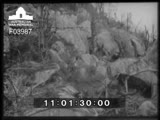
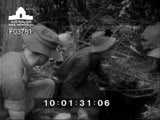
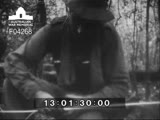
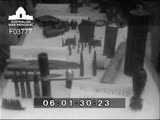
Australian troops this week used a special detector to find more than thirty Viet Cong tunnels and underground hides in an area about two miles south of their Task Force base at Nui Dat in Phuoc Tuy Province. A vehicle equipped with a radar screen pulls the detector across the area being searched. The tunnels were found under long grass in a banana plantation and market garden on the site of an abandoned Vietnamese hamlet. Infantry soldiers kept watch on the area as a group of demolition experts from the 1st Field Squadron, Royal Australian Engineers, prepared to examine the finds. The engineers who specialise in this work are known as "tunnel rats". They have the dirty and dangerous task of crawling through the narrow, twisting tunnels which are built for the smaller framed Viet Cong. The tunnels, some 15 to 20 feet underground, twist and turn, and often lead to chambers stacked high with weapons, ammunition and supplies. Because of the narrow confines, the "tunnel rats" are equipped with only a pistol and torch. Although many of these tunnels showed signs of recent use, they were all empty. But in some hides, the Australians found large quantities of crockery and salt. As other troops located and marked new hides, the engineers followed, blowing up the larger tunnels with beehive charges or plastic explosive. Twenty-five of the tunnels were blown up during the day-long sweep of the area. (Also identified: Sapper Michael Buggemann of Adelaide, SA, 1st Field Squadron, Royal Australian Engineers; Warrant Officer Barry Crisp of Townsville, Qld)
Details
Cinematographer
Sergeant Malcolm Norman Bull
Object Type
Actuality footage
Physical Description
Colour: b&w
Film type: ORP
Format: 16mm
Sound: silent
Measurement
Duration
Footage
Projection speed
Conflicts
Units
Tags