Description
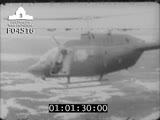
In South Vietnam these days Australians are using one of the World's most modern and scientific methods of detecting the enemy's whereabouts. Gone are the days when following jungle tracks and watching the signs were the only indicators of Viet Cong or North Vietnamese presence. 2411810 Staff-Sergeant Wayne Lancelot Wells of O'Connor, Canberra, ACT, a member of the 1st Australian Task Force's intelligence staff, is the man behind the Aerial Personnel Detector, or, as the Army calls it, the APD. Another name given this child of 20th century technology is the sniffer...and that's about its best description. The APD is capable of providing an indication of possible human presence and can be used to advantage against an enemy who believes his jungle hideaway is invulnerable. Mounted on the floor of an RAAF Iroquois helicopter or, although not so often, in an Army Sioux chopper, the Australian APD has scanned hundreds of square miles in Phuoc Tuy Province, the Task Force's area of responsibility. Successful operation of the machine entails low level flying. This could make the chopper a good target for small arms fire from the ground under normal circumstances. But high speed over the ground and the reassuring protection of two accompanying helicopter gunships dispels most fears. There's yet a fourth chopper in this type of operation. It's the navigational ship, necessary for directing the helicopter carrying the APD and other tasks. For the aerial bloodhound flying at high speed just above the trees, it's a big enough job for her pilots remaining safely in the air without having to worry about navigation as well. Radio communications keep the pilots in touch with each other. The operation is planned as a mission on the basis of intelligence reports. An area is selected, studied on the map, and it's then for the pilots and Staff-Sergeant Wells to cover every part of that area. A positive reading from the machine is never enough for a follow up ground operation to be mounted. From other devices, very different to the Sniffer, the readings are checked for likely accuracy. The Sniffer results are only one aid to intelligence gathering. They must be compared with other reports such as those coming from the infantry foot-soldiers before the true indication is given. For Wayne Wells, watching the dials and graph paper on his machine day after day could become boring. But the sniffing APD has already proved a success and, for its handler, that's enough. Also identified: 3411299 Corporal Francis Graham Moroney of Flemington, Vic; O314174 Squadron Leader (Sqn Ldr) Brian Leslie John Dirou of Canberra, ACT; O46328 Pilot Officer William Michael (Bill) Johnson of Sempahore, SA; O52901 Wing Commander Peter William Mahood of Canberra, ACT; Sqn Ldr John Dunne of Canberra, ACT.
Details
Object Type
Television news footage
Physical Description
Base: acetate
Colour: b&w
Film type: ORP
Format: 16mm
Sound: silent
Measurement
Duration
Footage
Projection speed
People
Conflicts
Units
Tags